
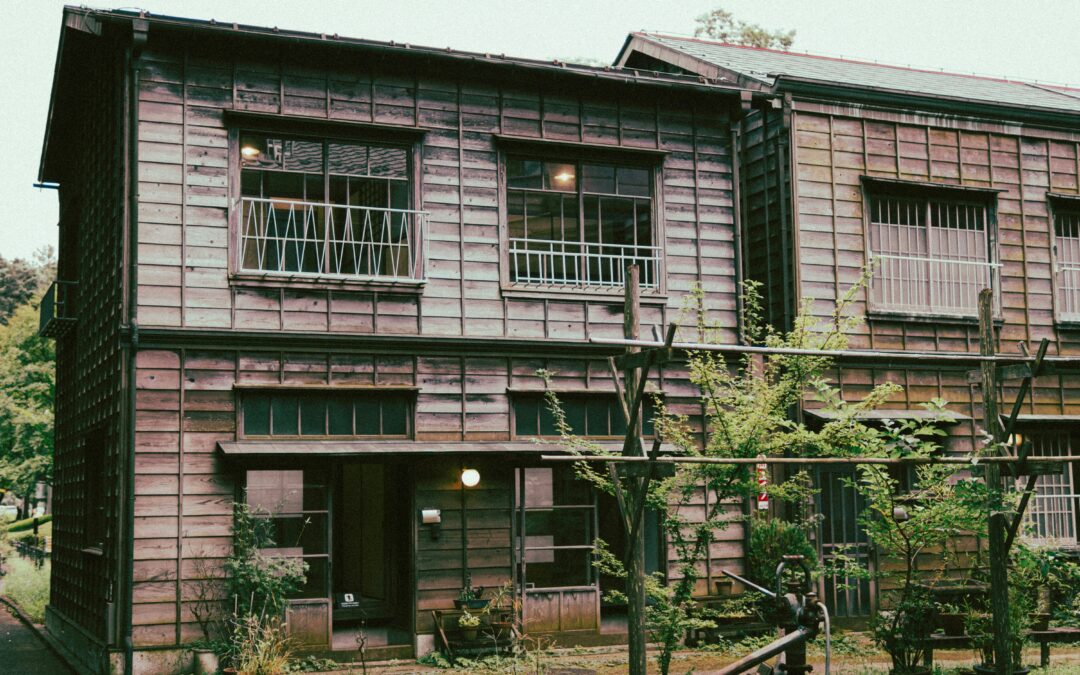
I didn’t arrive at the hostel expecting enlightenment. I arrived sweaty, under-caffeinated, and mildly resentful after dragging a wheel-less backpack over cobblestones designed by someone who clearly hated travellers. The building leaned slightly to one side, like it had lived a full life and was now refusing to apologise for it. Inside, the air smelled of instant noodles, cheap detergent, and ambition. It was loud, disorganised, and already teaching lessons no lecture hall ever had.
I’m Australian, which means I grew up believing that education came neatly packaged: classrooms, credentials, and a hex code of beige walls. Universities had syllabuses, deadlines, and a comforting illusion that if you ticked the boxes, life would tick along nicely in return. Hostels, on the other hand, have none of that. No curriculum. No guarantees. Just bunk beds, borrowed chargers, and strangers who, within hours, know more about your fears than your best mates back home.
This particular hostel sat somewhere in Europe—one of those cities where history clings to the walls and beer is cheaper than water. It wasn’t special on Instagram. No rooftop pool, no neon sign promising “vibes.” Just a chipped wooden table in the kitchen and a staff member named Luca who enforced quiet hours with the same enthusiasm I once had for algebra.
The learning began after sunset.
Every night, without planning, the kitchen transformed into something sacred. Pots were shared, ingredients negotiated like peace treaties, and everyone cooked “their version” of dinner—which mostly meant pasta in different emotional states. A Spanish guy insisted olive oil was a personality trait. A Canadian apologised for absolutely everything, including the salt being too salty. I contributed Vegemite to the table and was promptly asked if Australians were okay.
Those dinners taught me more about culture than any anthropology elective. Food stripped people down. You learned who missed home, who was running from it, and who didn’t yet know why they were travelling at all. Sociologists might call this “temporary communities,” but it felt more like family—messy, loud, and gone before you could name it.
Late nights were where the real lectures happened. Someone always pulled out a deck of cards or a half-broken guitar. Conversations stretched until 3am, fuelled by boxed wine and the bravery that only anonymity can give you. People confessed things they’d never tell their friends. Careers abandoned. Relationships paused. Entire lives rerouted because of a missed train or a stranger’s advice in a hostel stairwell.
It reminded me of something The Art of Travel by Alain de Botton touches on—that travel isn’t about movement, but attention. Sitting cross-legged on a hostel floor, listening to a German woman explain why she quit law school to paint murals in Lisbon, I realised how rarely we listen like that at home. No phones. No agendas. Just humans, raw and unedited.
Impermanence was the hardest subject.
Every morning, people disappeared. Beds were stripped. Lockers emptied. Instagram handles scribbled on scraps of paper like promises we all knew we wouldn’t keep. There was grief in how quickly connections formed and dissolved. One night you’d be debating politics with someone over cigarettes on a balcony; the next, their bunk was empty and the world felt quieter for it.
At uni, relationships are long-term by default. You grow together slowly, sometimes lazily. Hostels compress time. You get the highlights, the vulnerabilities, the jokes and the heartbreak all at once. There’s no room for small talk when you might only have twelve hours together. It forces honesty. And honesty, I learned, is a shortcut to meaning.
Travel writers have been trying to articulate this for decades. Pico Iyer famously wrote that travel teaches us “to live more lightly on the earth.” In that hostel, living lightly wasn’t philosophical—it was practical. You owned less. Needed less. Shared more. A phone charger became a currency. Kindness was the only thing that multiplied when given away.
Even the chaos was educational.
Someone was always snoring like a malfunctioning chainsaw. Someone else was always having a crisis at 2am because they’d just realised they hated their job back home. There were arguments over fridge space and passive-aggressive notes about washing dishes. But there was also grace. People forgave quickly because holding grudges is exhausting when you’re carrying your life on your back.
I started thinking about how formal education measures success. Grades. Outcomes. Employment statistics. Meanwhile, here was a room full of people who had stepped off that conveyor belt entirely. Some were between degrees, some running from them, others redefining what “educated” even meant. According to UNESCO, education is about developing the whole person, not just employability. Funny how a hostel kitchen managed that better than most institutions.
One night, a bloke from Melbourne—who I swear I didn’t know before, though statistically we should have met at a Bunnings—said something that stuck. “Back home, I feel like I’m preparing for life. Here, I’m actually living it.” No citations. No footnotes. Just truth, delivered over a mug of questionable red wine.
The hostel taught me that identity is flexible. That you’re not locked into the version of yourself your hometown knows. In those shared spaces, you could be curious, vulnerable, or completely wrong—and it was okay. No one was keeping a transcript.
When I finally left, dragging my backpack back over those hateful cobblestones, I felt heavier in the best way. Not with souvenirs, but with perspective. I’d learned that connection doesn’t require longevity. That impermanence makes things precious, not pointless. And that some of the most rigorous education happens when no one’s in charge.
Universities gave me frameworks, theories, and a piece of paper I’m still paying off. That hostel gave me something harder to quantify but impossible to forget: a reminder that learning is everywhere, especially in places that look a bit chaotic and smell faintly of instant noodles.
If there’s a syllabus for life, it’s written in pencil. And sometimes, it’s taped to a hostel fridge in Europe, right next to a passive-aggressive note about the dishes.