
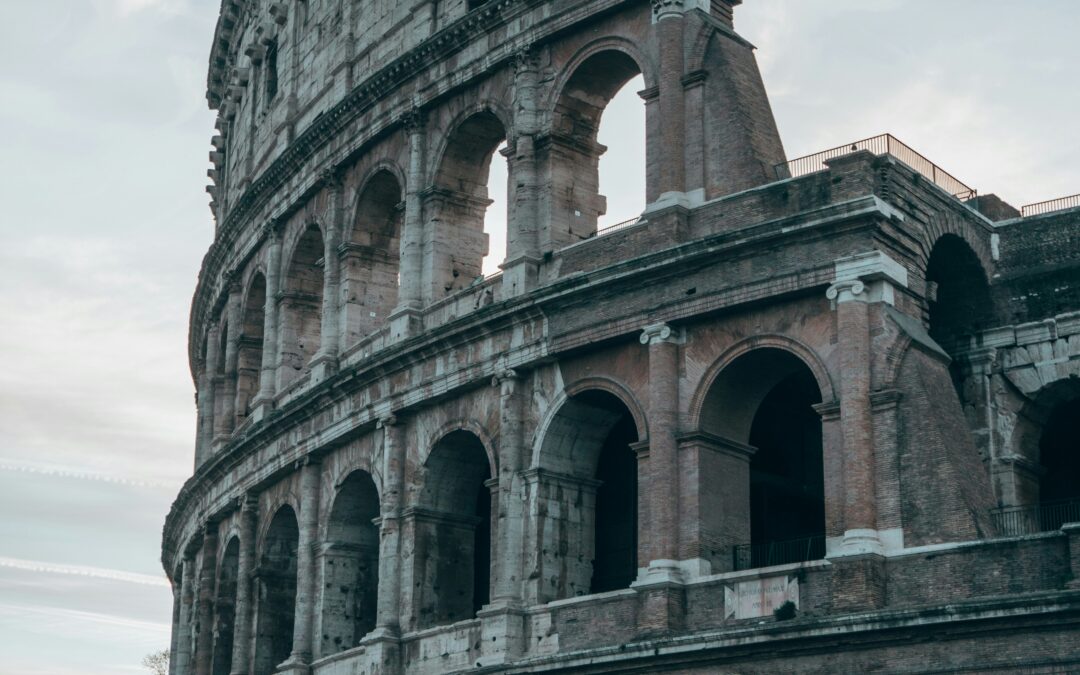
Rome wasn’t built in a day — a phrase I’d heard roughly one thousand times before landing in Italy — but no one ever warned me that it could absolutely dismantle a pair of Australian thongs in under three hours.
In my defence, these weren’t cheap thongs. They were premium, post-pub, servo-bought, rubber-soled warriors that had seen me through Bondi footpaths, Bali backstreets, and at least one questionable music festival. I trusted them. Rome did not.
Like many Australians abroad, I arrived with a romanticised vision of Europe: walking everywhere, eating constantly, getting “lost” on purpose, and becoming one of those effortless travellers who somehow never looks sweaty. According to Lonely Planet Rome, Rome is a “living museum best explored on foot.” What Lonely Planet doesn’t specify is whose foot — because it certainly wasn’t mine.
Cobblestones: History’s Greatest Prank
Rome’s streets are famously paved with sampietrini, small basalt cobblestones laid centuries ago and protected today with the intensity usually reserved for endangered species. UNESCO heritage zones, preservation laws, the whole lot. The stones are uneven, slippery, and clearly designed by people who never imagined rubber footwear held together by hope and a thin plastic plug.
Every step felt like walking across Lego pieces sprinkled with olive oil. My feet slid. My arches collapsed. Somewhere near the Pantheon, I heard a sound that can only be described as a quiet pop — the death rattle of my right thong strap.
According to Roman historian Mary Beard (who writes extensively about everyday life in ancient Rome), Romans walked everywhere too — but they did it in leather sandals made by people who actually understood feet. I, on the other hand, was walking in footwear best suited for a five-minute dash to Woolworths.
When the Blisters Arrive, So Do the Thoughts
There’s something deeply philosophical about pain when you’re travelling alone. With every blister forming between my toes, I started questioning not just my shoe choice, but my entire personality.
Why do Australians insist on treating thongs like a lifestyle rather than a utility? Why do we believe discomfort is character-building? Why didn’t I listen to Rick Steves — the gentle, sensible voice of European travel — when he repeatedly advises comfortable walking shoes for Rome in his Rick Steves Rome guide?
By the time I reached the Colosseum, my feet were on fire and my confidence was gone. I sat on a low stone wall, watching tour groups glide past in cushioned sneakers and sensible sandals, looking smug and blister-free. They hadn’t “packed light.” They’d packed smart.
Rome Rewards Slowness (Whether You Like It or Not)
Rome has a way of forcing you to slow down. Not gently — but forcefully, like a nonna grabbing your arm and telling you to sit, eat, and rethink your life.
I had planned to walk from the Colosseum to the Roman Forum, then up to the Capitoline Hill, and maybe squeeze in the Trevi Fountain before sunset. Instead, I made it halfway through the Forum and accepted defeat on a shaded bench beside a ruin older than most countries.
Travel experts often talk about “slow travel” — a concept promoted by organisations like UNESCO and echoed across modern guidebooks. The idea is simple: see less, feel more. Ironically, it took a near-medical foot emergency for me to finally embrace it.
I stopped checking my map. I stopped chasing landmarks. I watched Romans argue animatedly over espresso. I listened to street musicians butcher Wonderwall in three languages. Rome, it turns out, doesn’t need conquering — it needs observing.
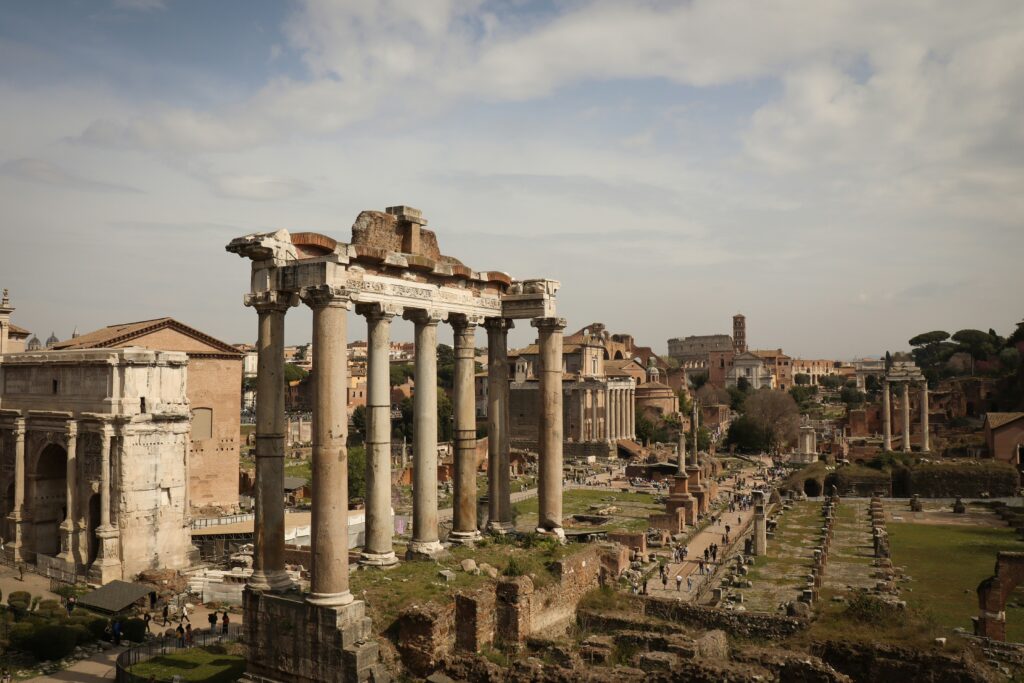
Accepting Defeat, One Band-Aid at a Time
By day two, I had fully surrendered. I walked into a Roman pharmacy — which, according to Italian National Tourist Board, are among the best-equipped in Europe — and bought blister pads that looked like NASA technology. Gel. Padding. Medical-grade miracles.
I also bought replacement shoes. Sensible ones. Supportive ones. Shoes that screamed, I have learned my lesson.
Back at my accommodation, I ceremoniously placed the fallen thongs in the bin. No tears — just respect. They had tried. Rome had won.
Travel Smarter, Not Harder
Here’s the thing Australians don’t always like to admit: we’re stubborn travellers. We pride ourselves on “roughing it,” on doing things the hard way, on walking everywhere because catching public transport feels like cheating.
But Rome — a city layered with 2,000 years of history — isn’t impressed by your endurance. It rewards curiosity, patience, and decent arch support.
The city has buses, trams, metros, and shaded piazzas for a reason. Even ancient Romans knew when to sit down.
The Real Souvenir
I didn’t bring home the thongs. I brought home scars — physical and emotional — and a much better understanding of how I want to travel.
Rome taught me that slowing down isn’t laziness. That comfort isn’t weakness. And that sometimes the smartest thing you can do in a historic city is admit you’re not built for ancient infrastructure.
So if you’re heading to Rome, learn from my mistakes. Walk. Wander. But for the love of your feet, leave the thongs for the shower.
Rome wasn’t built in a day — and it shouldn’t be walked in one either.
ChatGPT can make mistakes. Check important info.