
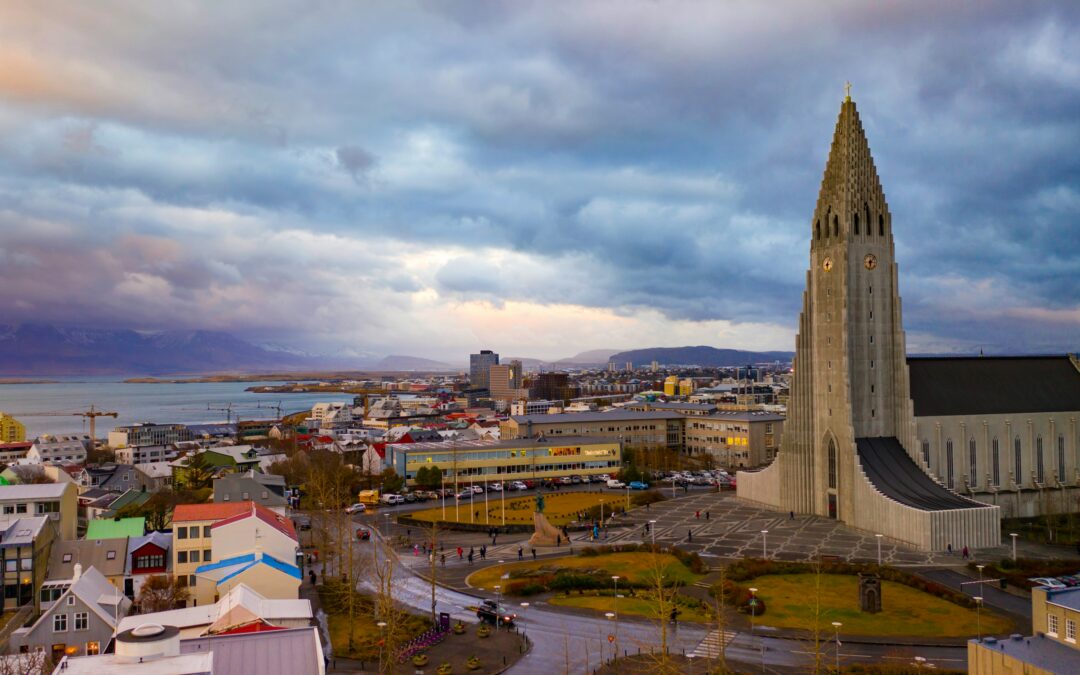
I’ve always told people I’m “good with money.” I meal-prep like a fanatical monk, I keep a spreadsheet that would put an accountant to shame, and I can find discount flights like a truffle pig finds truffles. Then I went to Iceland — and within 48 hours my spreadsheet had filed for divorce.
If you’re Australian and thinking about Iceland, picture this: endless volcanic vistas, waterfalls that make your phone camera feel inadequate, and a glowing-blue geothermal lagoon that looks like a spa the gods built after a long day. It’s breathtaking — and it laughs in the face of whatever cost-saving excel formula you’ve got. The country is consistently ranked among the most expensive places to live or visit, particularly when it comes to restaurants, transport and tourist activities.
Stage 1: Denial — “It’ll Be Fine, Mate”
The plane landed, the air was that clean kind of cold that makes you inhale like you’re rebooting your lungs, and I thought: “How bad can it be?” First mistake: I measured Icelandic prices against my Melbourne coffee habit and concluded I was prepared. That morning’s cappuccino in Reykjavík — which I later learned averages well above what we pay back home — went down with the naive confidence of someone who hasn’t yet checked the menu.
Denial was practical: I skipped travel insurance, I told myself I’d buy groceries and cook (while imagining heroic campfire feasts), and I assumed attractions would be the same price as similar things in Europe. I even convinced myself that the Blue Lagoon would be a “once-off” splurge I could justify as research for the blog. Oh, the hubris. The Blue Lagoon’s standard tickets start at a price that makes you reassess your life choices in Icelandic krona.
Stage 2: Justification — “But It’s an Experience”
Denial didn’t last long. Soon the spreadsheet looked like a ransom note. This is where justification creeps in: the human brain is brilliant at value-add. If something costs more than you thought, you simply recalibrate what “value” means. A $40 beer becomes “a cultural immersion.” A $200 guided Golden Circle tour becomes “professional photography tuition” (basically, you can’t capture Gullfoss without trembling). Visit Iceland’s official guides will tell you the Golden Circle is essential — and when you stand at Þingvellir and feel the tectonic plates underfoot, you’ll nod like you always planned to pay for intangible geology lessons.
I rationalised the car hire costs by telling myself I’d save by self-catering — then diesel prices and gravel-road insurance politely laughed. I rationalised a pricey restaurant meal by remembering that some Icelandic restaurants use local lamb and geothermal-grown tomatoes (yes, tomatoes grown in greenhouses heated by volcanic heat). When it comes to one-of-a-kind natural wonders, it’s tempting to say “money well spent” because the alternative is to miss the thing entirely. Travel bloggers who tracked their Iceland trip budgets logged totals that quietly screamed “budget recalibration required.”
Stage 3: Bargain-Hunting — “There Must Be a Cheaper Way”
Then the fully fledged Australian instincts kicked in. We are a resourceful bunch when it comes to stretching a dollar. I hunted for grocery stores, I learned that gas stations sell surprisingly decent sandwiches, and I downloaded apps for cheap tours and public pools. Iceland isn’t devoid of value—there are free or low-cost gems everywhere: hikes, waterfalls, black-sand beaches and the northern lights if you time it right. The trick is you keep getting tempted by paid experiences that feel like they’ll vanish if you don’t book immediately.
I also started converting prices into AUD instead of krona (advice: do this before you’re two drinks in). At the time I checked, one Australian dollar equalled roughly in the 80s of Icelandic krona, which makes the numbers on menus look uglier than they are at first glance. Use a converter before you order the fancy fish.
Stage 4: Acceptance — “Okay, This Is the Cost of Wonder”
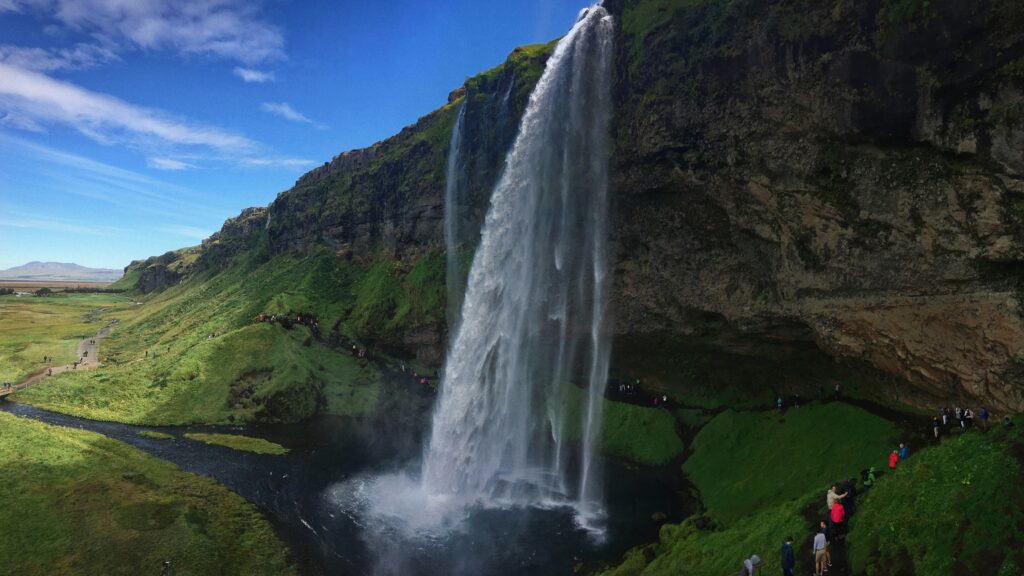
Accepting Iceland’s prices isn’t the same as saying they’re reasonable; it’s about changing the measure of return. I stopped tracking my spend per day and started tracking my spend per unforgettable moment. Iceland made me care less about whether a meal was $20 or $40 and more about whether I’d remember watching the sun slide away behind a glacier while a local told stories about sagas and shipwrecks. The Blue Lagoon? Worth the sticker shock for the way the steam makes you feel like you’re inside a living sculpture.
There’s also a sustainability and infrastructure cost baked into Icelandic prices: the country is remote, imports are expensive, and tourism infrastructure has to survive harsh weather. Rankings that put Iceland near the top for expat living costs reflect those structural realities — it isn’t just a one-off rip-off, it’s a function of geography and economy. Once you accept that, you can make wiser choices about where to spend and where to skimp.
Lessons I Took Home (and Put Back on the Spreadsheet)
- Redefine “good with money.” Being good with money isn’t about never spending — it’s about getting the most meaning for the dollars you do spend. A cheaper, bad waterfall selfie is worse than an expensive, jaw-dropping silence at Gullfoss.
- Budget for the splurges. If you want to see the Blue Lagoon and chase the aurora, factor those into the plan early and don’t treat them as pleasant surprises. Tours, admissions and must-do activities add up quickly; plan and prioritise.
- Use groceries and pools. Cook a few meals, go to communal pools (they’re cheap and oddly social), and pick one or two big-ticket experiences rather than half a dozen medium-ticket ones.
- Exchange-rate hygiene. Check the AUD–ISK rate before you leave and mentally convert. It keeps you honest.
The Final Reckoning
When I returned to Australia, my spreadsheet still bore the scars: column after column marked “Iceland tax: emotional.” But I also had a camera full of photos that made friends say things like, “bloody hell, where’s that?” and a head full of memories that no price could fully capture. There’s a tension at the heart of modern travel — the desire to measure everything versus the fact that the best bits of travel are exactly what spreadsheets fail to quantify: the shiver of the first northern lights, the hot steam on your face as you slide into geothermal water, the silence at the edge of a glacier.
So am I still “good with money”? Yeah — but I’m realistic now. “Good with money” for travel means packing a sense of humour, an emergency fund, a sensible credit card, and a willingness to spend properly on the things that matter to you. If that sounds like a rounded financial plan, then Iceland did me a favour: it taught this budget-optimist that value isn’t always a line item. Sometimes it’s a waterfall, and sometimes it’s a dinner you’ll still talk about ten years from now.
If you’re going: plan, prioritise, and prepare to be pleasantly wrecked. And maybe keep a little extra AUD in your account for that cappuccino you’ll absolutely want under Reykjavik’s crisp sky.