
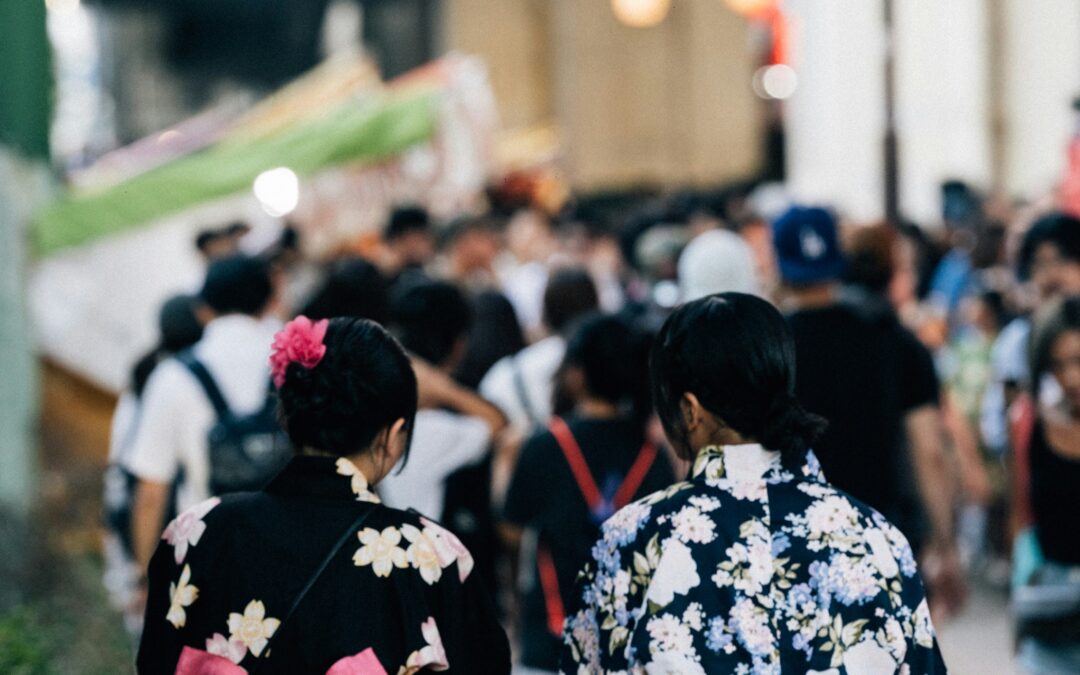
I remember the first time I landed in Tokyo after a long-haul from Sydney: bleary-eyed, hair like a tumbleweed and carrying a daypack that somehow doubled as a luggage sculpture. I shuffled toward the platform and froze. There, like some perfectly choreographed flash mob, were dozens of commuters forming neat little columns — footprints on the tiles marking exactly where each person should stand — and not one elbow was raised in panic. For a bloke who’d spent many a train ride in Melbourne where “personal space” politely negotiates with shoulder-to-shoulder sardining, it felt like someone had installed civility as standard issue. But this isn’t magic. There’s social logic, history and a dash of engineered design behind the choreography.
First up: fairness and “first-come, first-served.” Japan’s queuing isn’t just about being polite; it’s about an ethic of fairness that’s taught early and reinforced everywhere. From kindergartens where kids learn to take turns and line up before class, to department stores that place tape or footprints on the floor to show exactly where to stand, the message is consistent: everyone waits their turn and that’s that. This sort of behaviour is widely observed by journalists and travel writers who note that the practice is learned young and reinforced by social expectation.
But why teach queuing so thoroughly? Two cultural pillars explain a lot: harmony (wa) and not causing trouble for others (meiwaku). Japanese social life prizes group harmony; actions are measured by how they affect the collective mood and flow. Cutting in line or jostling on a platform isn’t simply rude; it disturbs a shared system that keeps millions moving safely and efficiently. The desire not to inconvenience is a social lubricant — small acts of restraint preserve the greater good. Anthropologists and cultural commentators pick up on this: social order is valued because it reduces friction in crowded environments and signals respect for others.
There’s also an institutional and design angle. If you’ve ever watched a Japanese train platform, you’ll notice painted footprints, arrows, and clear markings showing where doors will open and where exiting passengers should leave space. The railway companies didn’t guess this up — they deliberately design platforms and signage to make cooperative behaviour the path of least resistance. Tokyo’s transit operators use floor markings, “manner posters,” and subtle queue architectures so people know exactly what to do without being told off; it’s behavioural engineering with a smiling face. Researchers have even analysed how those “manner posters” and material cues construct and maintain shared values among commuters. In short: when perception and infrastructure nudge you to line up, you line up.
Let’s talk about punctuality and predictability — the unsung hero of orderly queues. Japanese society tends to prize punctuality; public timekeeping — from trains to business meetings — is treated with near-religious seriousness. When trains and services run like clockwork, the incentives to queue properly increase: if the system is fair and predictable, people learn that good manners pay off in efficiency. Hofstede’s cross-cultural work also suggests that Japan scores high on uncertainty avoidance and long-term orientation, meaning societies prefer clear rules and planful behaviour — both of which favour orderly waiting and systematic boarding.
There’s also a social signalling component that tourists sometimes miss: queues are used as signals of quality. Long lines outside a ramen joint are not accidental; they’re a public trust mark. Japanese people are often willing to wait because the queue tells them the place is worth it. That trust-based queueing — stand in line, and you’ll very likely get a good feed — reinforces the broader cultural habit of waiting in an orderly fashion because patience is rewarded.
Now, don’t confuse order with blandness. The Japanese approach isn’t enforced by a baton-wielding official; it’s enforced by peer expectation and embarrassment avoidance. Public shaming in Japanese culture — the quiet, mutual disapproval that follows rule-breaking — is a potent social regulator. It’s more effective than policing because the majority internalises the norms and maintains them without needing a whack on the wrist. Sociologists note that many micro-behaviours in transport are managed through a mix of social control and trust-building campaigns, not simply top-down rules.
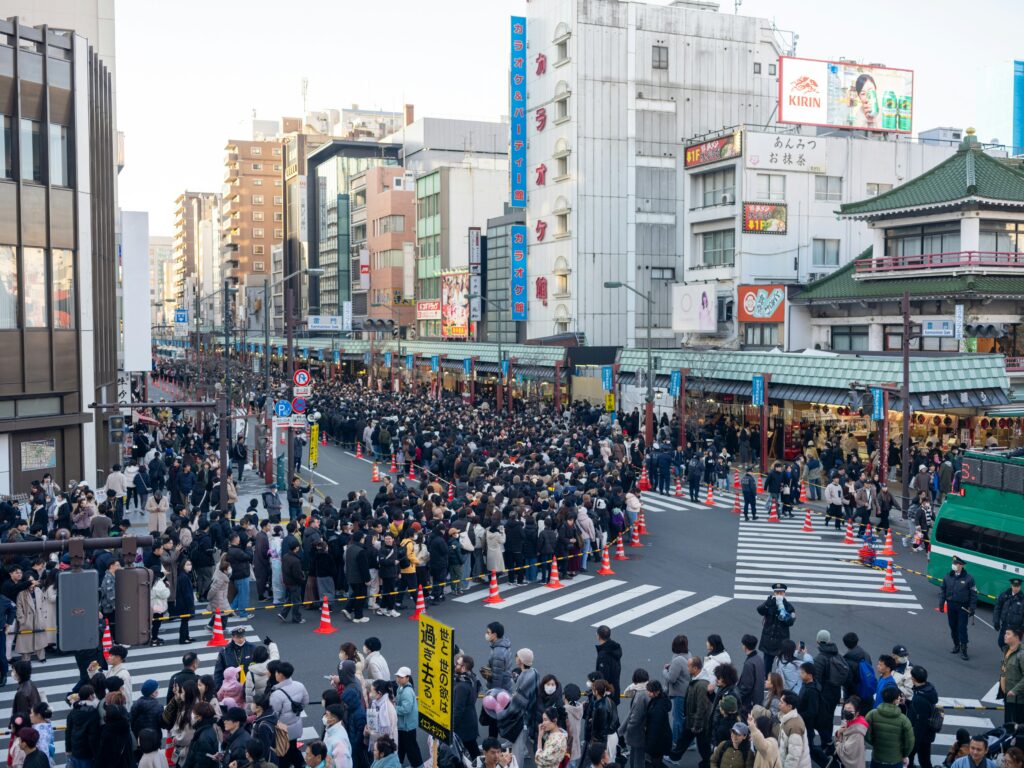
Of course, like anywhere, the system isn’t perfect. In peak rush hour you’ll see “oshiya” (pushers) gently packed by staff on overcrowded platforms in the old days, and you’ll notice regional quirks — Kansai (Osaka/Kyoto) sometimes stands on the opposite side of escalators compared to Tokyo. But even with local variation, the baseline expectation — wait your turn, keep clear for disembarking passengers, follow markings — remains. Transit operators and local governments actively remind citizens through campaigns, and those reminders keep the habit fresh.
As an Aussie traveller, watching queues in Japan taught me two practical travel lessons. First: follow the footprints and the longest line — that’s usually the right queue. Second: don’t be an accidental cultural vandal — resist the urge to barge past with your giant backpack. When you respect the queue, you’re not just showing good manners; you’re participating in a system that values everyone’s time and safety. The locals notice this. You’ll get a respectful nod, and a lot less flinty glares than you’d expect back home in a crowded footy line.
So what ties this all together? It’s a cocktail of cultural education, social norms (don’t inconvenience others), institutional nudges (platform markings, posters), and systemic reliability (punctual trains and predictable services). Add in a sprinkle of trust signalling (long queues equal quality) and you have a society where lining up becomes almost second nature. The result is what many of us see as “beautiful queuing”: efficient, calm, and fair.
If you’re planning to visit, two more quick tips: keep to the side when standing on escalators depending on the city, and step back so people can exit the train before boarding. Do that, and you’ll blend in like a local — or at least like a respectful tourist — and you’ll probably find your trip a lot less frazzled for it.