
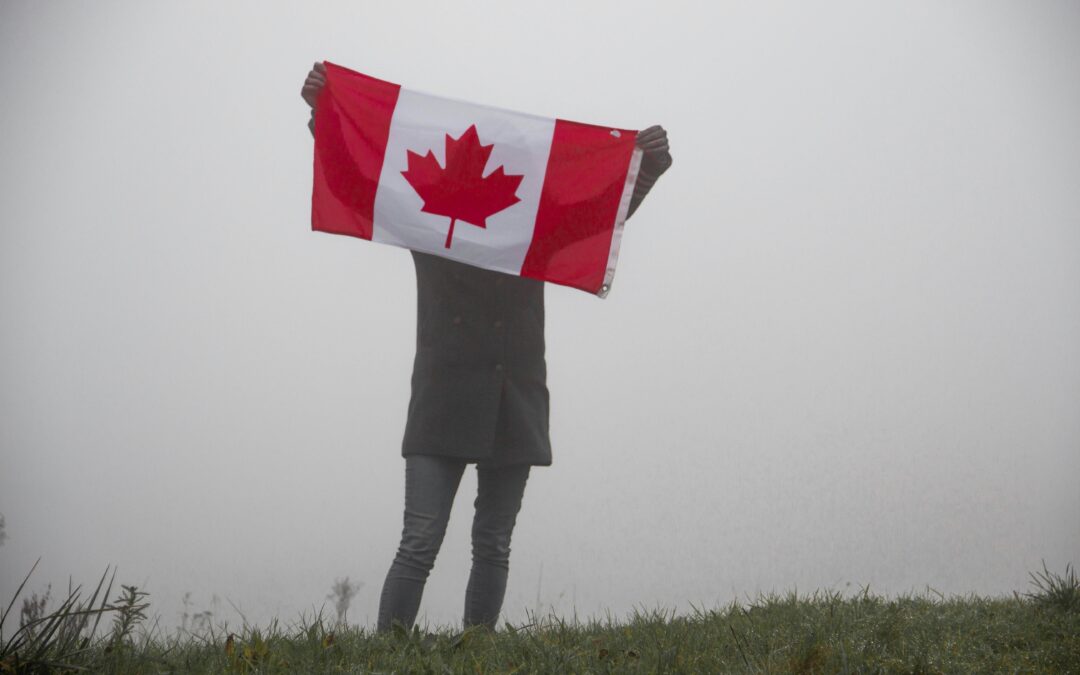
I came to Canada expecting snow. Big snow. Movie snow. Snow that squeaks under your boots and makes your eyelashes freeze together like some sort of frosty punishment for leaving Australia in winter.
What I didn’t expect was the apologies.
Not the meaningful, tear-stained, end-of-relationship kind. I mean the casual, reflexive, deeply ingrained sorry — offered for things that were not only not their fault, but occasionally not even real.
I discovered this about four minutes after landing.
The First Collision (Or: How I Learned to Say “Sorry” Without Meaning It)
The scene: Toronto airport. Jet-lagged, puffy-eyed, backpack swinging wildly behind me like a poorly trained dog. I accidentally clipped a man’s elbow while power-walking toward immigration.
Before I could even inhale to apologise, he turned to me and said, “Oh! Sorry about that.”
Reader, I had hit him.
This wasn’t an isolated incident. Over the next few days, I was apologised to for standing still, for walking too slowly, for opening doors, for not opening doors, and once — memorably — for existing in the same general space as another human.
According to the Canadian Broadcasting Corporation, Canada’s reputation for politeness is more than a stereotype — it’s a cultural norm reinforced through upbringing, media, and even law. In Ontario, there’s literally an Apology Act that allows people to say sorry without it being taken as an admission of guilt.
As an Australian — a nation where “sorry” is often replaced with “yeah nah” — this was deeply unsettling.
Passive-Aggressive, But Make It Polite
Canadians, I learned, are not passive-aggressive in the traditional sense. They are passive-considerate. Their disappointment is cushioned. Their annoyance is wrapped in manners. Their rage is whispered through a clenched smile.
When a barista made my coffee incorrectly, she apologised three times. When I told her it was fine, she apologised again — presumably for apologising too much.
In Australia, if your order’s wrong, the exchange is short, efficient, and vaguely hostile. In Canada, it’s a gentle emotional dance where no one wants to inconvenience anyone else, including themselves.
Cultural researchers at Statistics Canada have linked this politeness to Canada’s emphasis on social cohesion — a multicultural society where harmony is maintained through consideration and restraint. It’s less about weakness and more about coexistence.
Or, as I began to understand it: no one wants to be the problem.
Snow, Silence, and Soft Edges
There’s something about winter that shapes people.
In Australia, the weather is loud. Sunburns, heatwaves, sweat, bushfires. Everything is aggressive. You survive by being direct, fast, and occasionally a bit feral.
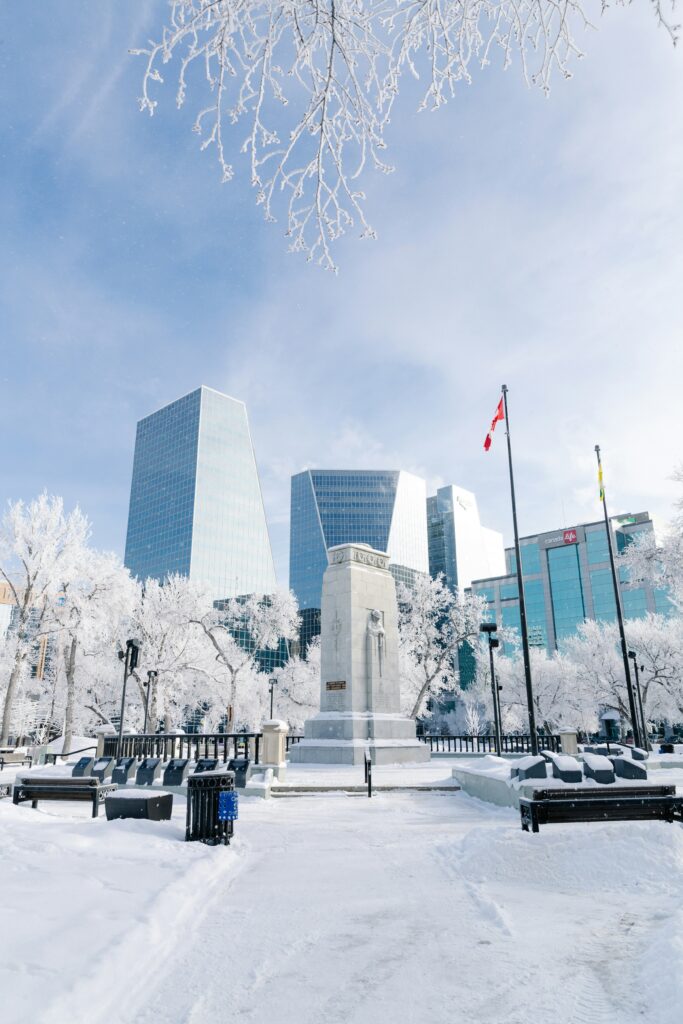
In Canada, winter demands patience. You wait for buses in silence. You shovel snow for neighbours you’ve never spoken to. You move slowly, carefully, so you don’t fall flat on your arse in public.
Travel writers from Lonely Planet Canada often describe Canadians as “reserved but warm,” a phrase that finally made sense once I experienced a -15°C morning followed by a stranger holding the door and saying, “Sorry, it’s cold today, eh?”
The climate shapes the culture. When survival requires cooperation, politeness stops being optional.
The Australian Mouth Problem
About a month into my stay, I realised something uncomfortable.
I was… loud.
Not volume-wise (although, yes, also that), but emotionally. Australians communicate like we’re tossing verbal tennis balls at each other — fast, blunt, with the occasional sledge for sport.
Canadians communicate like they’re wrapping fragile items for postage.
When I said, “That doesn’t make sense,” people looked wounded. When I said, “You’re wrong,” they looked confused, as if that was an inside thought I was meant to keep.
A professor quoted in University of British Columbia research on communication styles notes that Canadian discourse prioritises empathy over efficiency. The goal isn’t to win the conversation — it’s to preserve the relationship.
This was confronting. And, annoyingly, kind of beautiful.
Learning the Language of “Sorry”
Over time, I adapted.
I started apologising when someone bumped into me. I said “sorry” before asking questions. I apologised for taking up space. I even apologised to an inanimate object after dropping it.
It wasn’t fake — it was social lubrication. A way of acknowledging the other person’s presence and humanity.
And somewhere along the way, I realised something quietly profound: saying sorry doesn’t always mean you’re wrong. Sometimes it just means you care.
The philosopher quoted in The Art of Apology argues that apologies are less about blame and more about recognition — a verbal nod that says, I see you. Canadians, it turns out, see everyone.
Kindness Without a Spotlight
Australians are kind — but loudly so. We help, then laugh about it. Canadians help, then disappear before you can thank them.
I once dropped groceries on an icy footpath. Three people stopped. One picked up apples. One held my bag. One apologised — for my apples falling.
No photos. No fuss. No “good bloke” energy. Just quiet decency.
The Canadian Red Cross describes this as “community-minded individualism” — people acting independently, but always with collective impact in mind.
It’s kindness without performance.
What I Took Home (Besides a Better Coat)
I eventually left Canada. The snow melted. My visa expired. My tolerance for winter footwear reached its limit.
But the apologies stuck.
Back in Australia, I noticed how rarely we soften our words. How often we barrel through conversations. How quick we are to prioritise being right over being kind.
I don’t think we need to become Canadians. God knows the world can’t survive without our sarcasm. But maybe we could borrow something.
A pause. A gentler entry. A “sorry” that isn’t an admission of defeat, but an invitation to connect.
I came to Canada for the snow.
I stayed for the apologies.
And I left wondering how different the world might be if we all said “sorry” — not because we had to, but because we could.